How e-commerce is redefining global shopping trends
How e-commerce is redefining global shopping trends
by
8 min read
11 min read
8 min read
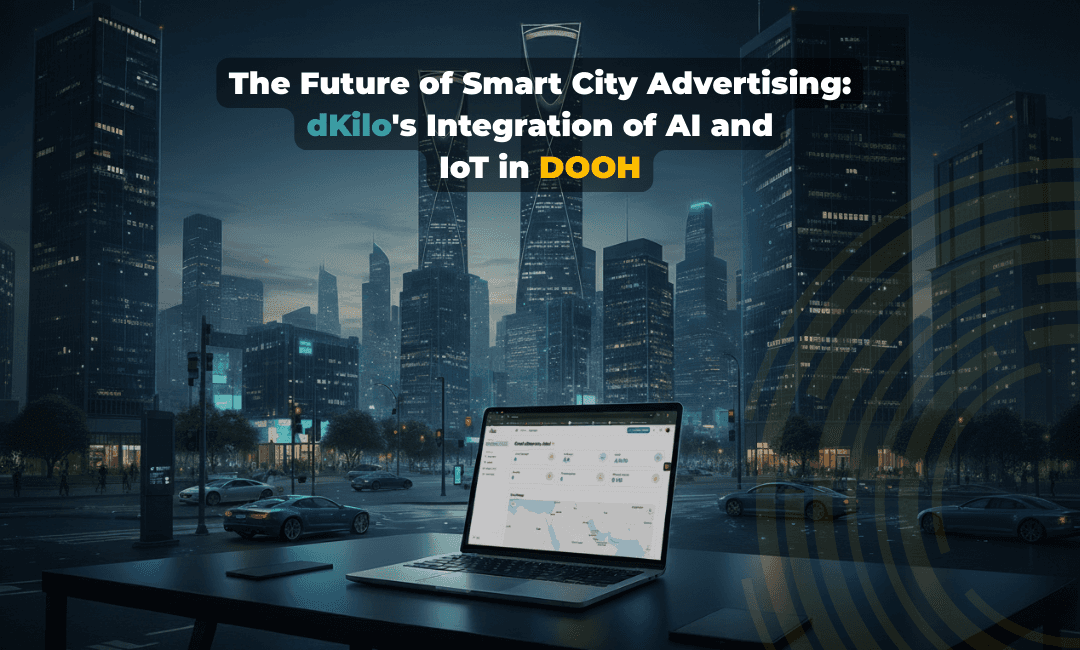
Smart city advertising is evolving rapidly, driven by advances in technology that connect urban environments in new ways. Among the most exciting developments is the fusion of AI, IoT, and digital out-of-home (DOOH) advertising. dKilo is at the forefront of this transformation, offering smart city solutions that integrate these technologies to create dynamic, targeted, and interactive advertising experiences. This post explores how dKilo fits into the ecosystem of connected cars, public screens, and AI-driven communication, shaping the future of marketing in smart cities.
Digital out-of-home advertising has moved beyond static billboards and simple digital screens. Today, AI in DOOH advertising enables real-time data analysis and decision-making, allowing ads to adapt instantly to their environment and audience. IoT and digital out-of-home technologies connect screens, sensors, and devices across the city, creating a network that feeds data into AI systems.
dKilo smart city solutions leverage this network to deliver personalized content based on factors such as:
Time of day
Weather conditions
Audience demographics
Traffic flow
Nearby events
For example, a digital billboard near a stadium can switch to promote merchandise during a game and then change to restaurant ads after the event ends. This flexibility increases engagement and advertising effectiveness.
Connected cars are becoming mobile data hubs, equipped with sensors and communication tools that interact with city infrastructure. dKilo integrates connected car advertising into its platform, enabling location-based advertising for smart cities that reaches drivers and passengers in real time.
By combining AI-driven outdoor ads with data from connected vehicles, dKilo can:
Deliver relevant ads based on the car’s location and route
Adjust messaging depending on traffic conditions or driver preferences
Support smart mobility advertising solutions that enhance urban travel experiences
This approach creates a seamless advertising ecosystem where vehicles and public screens work together to provide timely and useful information, benefiting both advertisers and consumers.
Programmatic advertising automates the buying and placement of ads using data and algorithms. In smart cities, this process becomes even more powerful with IoT and AI integration. dKilo’s intelligent outdoor advertising platforms enable programmatic advertising in smart cities by:
Connecting multiple DOOH screens and devices into a single network
Using AI to analyze real-time data and optimize ad delivery
Allowing advertisers to target specific locations, times, and audiences with precision
This means marketers can launch campaigns that adjust dynamically to changing city conditions, maximizing impact and reducing wasted impressions.
Digital signage is a key component of urban tech ecosystems, providing information and advertising in public spaces. dKilo enhances these systems by embedding AI and IoT capabilities into digital signage, creating interactive and context-aware displays.
Examples include:
Screens that recognize nearby pedestrians and tailor ads accordingly
Displays that integrate with public transportation schedules to offer relevant promotions
Outdoor ads that respond to environmental data such as air quality or noise levels
These innovations make digital signage more than just a communication tool; they turn it into an intelligent platform that supports the smart city’s goals of connectivity and sustainability.
The future of smart city marketing lies in the ability to connect diverse technologies and data sources to create meaningful, personalized experiences. dKilo smart city solutions demonstrate how AI in DOOH advertising and IoT and digital out-of-home integration can transform urban advertising.
Key benefits include:
Improved targeting through real-time DOOH targeting with IoT
Enhanced engagement by delivering relevant content to connected cars and pedestrians
Greater efficiency with programmatic advertising in smart cities
Support for sustainable urban development by reducing unnecessary ad displays
As cities continue to adopt smart technologies, dKilo’s platform will play a crucial role in shaping how brands communicate with urban audiences.