How e-commerce is redefining global shopping trends
How e-commerce is redefining global shopping trends
by
10 min read
14 min read
10 min read
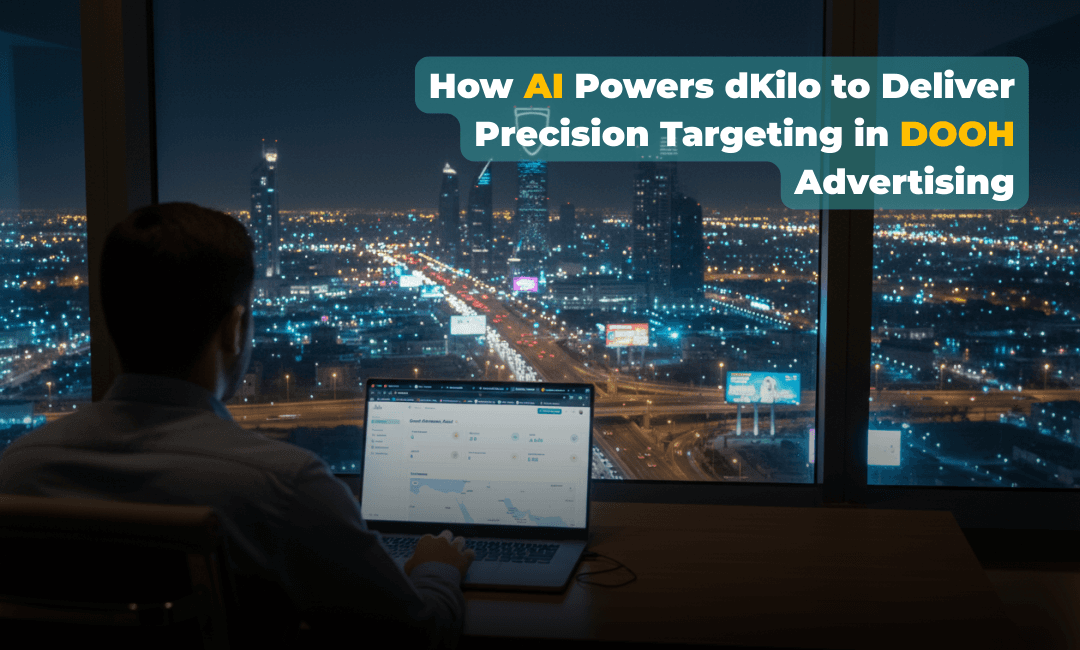
Digital out-of-home (DOOH) advertising has transformed the way brands connect with audiences in public spaces. Yet, the challenge remains: how to serve the right ad to the right person at the right moment. This is where AI-powered digital out-of-home solutions like dKilo advertising technology step in. By combining behavioral, contextual, and location data, AI enhances DOOH campaign targeting to deliver more relevant, timely, and effective ads.
This post explores how AI in DOOH advertising improves targeting precision, enabling smarter campaigns that engage audiences and drive results.
Traditional DOOH ads often rely on static content or broad demographic assumptions. AI changes this by analyzing real-time data streams to understand who is nearby, what they might be interested in, and the best time to show specific ads. dKilo advertising technology uses AI algorithms to process:
Behavioral data: Insights from audience actions and preferences gathered through various digital touchpoints.
Contextual data: Environmental factors such as time of day, weather, and nearby events.
Location data: Precise geolocation information to target ads based on where audiences are physically present.
This combination allows for smart DOOH targeting that adapts dynamically, increasing relevance and engagement.
Behavioral targeting in digital signage means showing ads based on the observed habits and preferences of the audience. dKilo’s AI models analyze patterns such as:
Frequency of visits to certain locations
Interaction with previous ads or nearby digital content
Purchase behaviors linked to location data
For example, a coffee brand using dKilo can target commuters who regularly stop at a particular transit hub during morning hours. The AI identifies this pattern and serves ads promoting morning coffee deals precisely when these commuters are present. This level of personalization boosts ad effectiveness and return on investment.
Contextual targeting in DOOH uses environmental cues to tailor ad content. dKilo’s AI integrates data like:
Weather conditions (sunny, rainy, cold)
Local events (sports games, concerts)
Time segments (rush hour, lunch breaks)
Imagine a sportswear company advertising rain jackets only when it’s raining in a specific city area. The AI detects the weather change and triggers the relevant ad on nearby digital billboards. This approach ensures ads feel timely and useful, increasing audience attention and brand recall.
Location-based DOOH ads are a core strength of dKilo advertising technology. AI processes geospatial data to deliver ads that match the audience’s immediate surroundings. This can include:
Proximity to stores or venues
Traffic flow and pedestrian density
Demographic characteristics of neighborhoods
For instance, a restaurant chain can use AI-driven ad optimization to promote lunch specials on digital signs near office districts during midday. The ads adjust in real time based on foot traffic data, ensuring maximum exposure to potential customers.
One of the biggest advantages of AI in DOOH advertising is the ability to adjust campaigns instantly. dKilo’s platform continuously analyzes incoming data and updates ad delivery accordingly. This real-time ad targeting with AI means:
Ads can switch based on changing audience profiles
Campaigns respond to unexpected events or trends
Advertisers can test and refine messages quickly
This flexibility supports intelligent DOOH campaign strategies that stay relevant throughout the day, improving overall campaign performance.
Beyond ad delivery, AI-powered digital out-of-home solutions provide valuable audience insights. dKilo collects and analyzes data on who interacts with ads, when, and where. These insights help marketers:
Understand audience behavior in public spaces
Identify high-performing locations and times
Tailor future campaigns based on data-driven DOOH advertising results
By using these insights, advertisers can build smarter DOOH targeting strategies that maximize impact and budget efficiency.
Retail: A fashion brand uses dKilo to target shoppers near malls with personalized promotions based on recent browsing behavior and local weather.
Transportation: A transit authority deploys AI-powered digital out-of-home ads to inform commuters about delays or service updates, adjusting messages by time and location.
Entertainment: A movie studio promotes new releases on digital billboards near cinemas, using AI to target audiences who have shown interest in similar genres.
These examples show how combining behavioral, contextual, and location data with AI creates more meaningful connections between brands and consumers.
The future of DOOH campaign targeting lies in continuous improvement of AI models and data integration. dKilo advertising technology exemplifies how smart DOOH targeting can transform static ads into dynamic, audience-focused experiences. Advertisers who adopt these AI-driven approaches will benefit from higher engagement, better ROI, and stronger brand presence in public spaces.
To stay competitive, marketing managers and business owners should explore how AI in DOOH advertising can fit into their overall strategy. Testing AI-powered platforms like dKilo can unlock new opportunities to reach audiences with precision and relevance.